Coastal Construction Tips for Florida Homeowners

Building or renovating a home in Florida's coastal regions presents unique challenges and opportunities. With its beautiful beaches and vibrant communities, Florida is a dream location for many homeowners. However, the coastal environment demands careful consideration in construction practices to ensure durability, safety, and compliance with local regulations. This blog post will provide essential tips for Florida homeowners looking to undertake coastal construction projects.
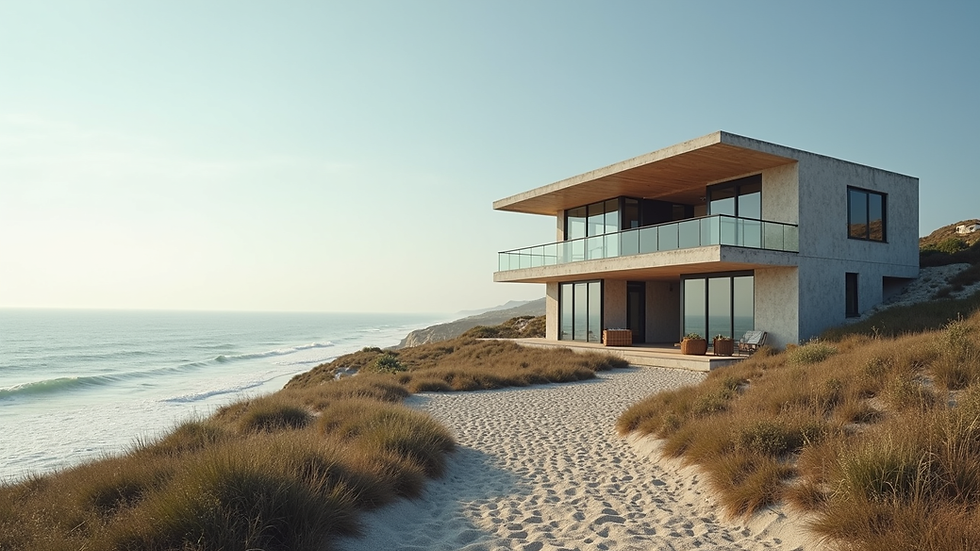
Understanding the Coastal Environment
The Impact of Weather
Florida's coastal areas are subject to extreme weather conditions, including hurricanes, heavy rains, and high humidity. These factors can significantly affect the longevity and safety of your home.
Hurricanes: Homes must be built to withstand high winds and flying debris. This often means investing in impact-resistant windows and reinforced roofs.
Flooding: Coastal homes should be elevated to reduce the risk of flood damage. The Federal Emergency Management Agency (FEMA) provides guidelines on minimum elevation requirements based on flood zones.
Humidity: High humidity levels can lead to mold and mildew growth. Proper ventilation and moisture-resistant materials are essential.
Local Regulations and Building Codes
Before starting any construction project, familiarize yourself with local building codes and regulations. Florida has specific codes for coastal construction, particularly in areas prone to hurricanes and flooding.
Consult Local Authorities: Contact your local building department to understand the requirements for your area.
Hire Licensed Professionals: Work with architects and contractors who have experience in coastal construction. They will be familiar with the necessary codes and best practices.
Choosing the Right Materials
Durable and Weather-Resistant Options
Selecting the right materials is crucial for coastal construction. Here are some materials that perform well in Florida's coastal environment:
Concrete: Known for its strength and durability, concrete is an excellent choice for foundations and walls. It can withstand high winds and flooding.
Fiber-Cement Siding: This material is resistant to rot, insects, and extreme weather, making it ideal for coastal homes.
Metal Roofing: Metal roofs are durable and can reflect heat, helping to keep your home cooler. They are also resistant to wind damage.
Eco-Friendly Choices
Consider using sustainable materials that are not only durable but also environmentally friendly. Options include:
Recycled Materials: Look for products made from recycled content, such as composite decking or insulation.
Local Materials: Sourcing materials locally can reduce your carbon footprint and support the local economy.
Designing for Resilience
Elevation and Foundation
One of the most critical aspects of coastal construction is the elevation of your home. Elevated homes are less susceptible to flood damage.
Stilt Foundations: Building on stilts or piers can elevate your home above potential flood levels.
Flood-Resistant Design: Incorporate flood-resistant features, such as flood vents, to allow water to flow through your home without causing damage.
Wind-Resistant Features
Designing your home to withstand high winds is essential in Florida. Consider the following:
Aerodynamic Shapes: Homes with sloped roofs and rounded edges can reduce wind resistance.
Impact-Resistant Windows and Doors: Install windows and doors that can withstand flying debris and high winds.
Landscaping Considerations
Choosing the Right Plants
Landscaping can play a significant role in protecting your home from coastal elements. Select plants that are native to Florida and can withstand salt, wind, and drought.
Drought-Resistant Plants: Consider using native plants that require less water and are more resilient to the coastal environment.
Windbreaks: Planting trees and shrubs can act as a windbreak, reducing the impact of strong winds on your home.
Erosion Control
Coastal erosion can threaten your property. Implementing erosion control measures can help protect your home:
Dune Restoration: If your property is near a beach, consider restoring natural dunes to help absorb wave energy.
Retaining Walls: Building retaining walls can help prevent soil erosion and protect your foundation.
Energy Efficiency and Sustainability
Incorporating Energy-Efficient Features
Energy efficiency is not only good for the environment but can also save you money on utility bills. Consider these features:
Solar Panels: Installing solar panels can reduce your reliance on the grid and lower energy costs.
Energy-Efficient Appliances: Choose appliances with high energy ratings to minimize energy consumption.
Water Conservation
Water conservation is crucial in Florida, especially during dry seasons. Implementing water-saving features can help:
Rainwater Harvesting: Collecting rainwater for irrigation can reduce your water usage.
Low-Flow Fixtures: Install low-flow faucets and showerheads to conserve water without sacrificing performance.
Hiring the Right Professionals
Finding Experienced Contractors
When it comes to coastal construction, hiring the right professionals is essential. Look for contractors with experience in coastal projects who understand the unique challenges of building in Florida.
Check References: Ask for references and check their previous work to ensure they have a solid track record.
Verify Licenses and Insurance: Ensure that your contractor is licensed and insured to protect yourself from potential liabilities.
Collaborating with Architects
Working with an architect who specializes in coastal design can help you create a home that is both beautiful and functional. They can assist with:
Designing for the Environment: An architect can help you design a home that takes advantage of natural light and ventilation while minimizing environmental impact.
Navigating Regulations: They can guide you through local building codes and regulations, ensuring your project is compliant.
Conclusion
Building or renovating a home in Florida's coastal regions requires careful planning and consideration of the unique challenges posed by the environment. By understanding the local climate, choosing the right materials, and working with experienced professionals, you can create a resilient and beautiful coastal home. Remember to prioritize sustainability and energy efficiency to not only protect your investment but also contribute positively to the environment.
As you embark on your coastal construction journey, keep these tips in mind to ensure your home stands strong against the elements while providing a comfortable and inviting space for years to come.
Comments